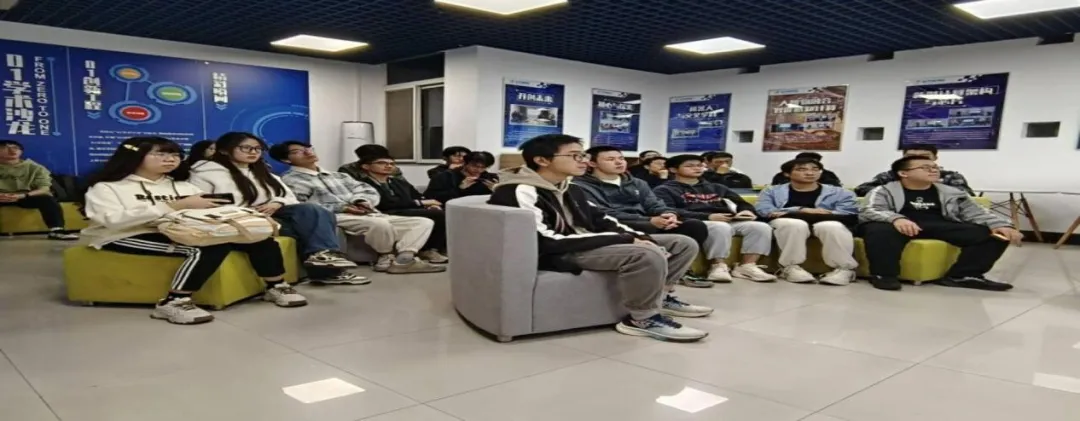
On the evening of November 2, the School of Computer Science successfully hosted the 11th session of the @World "Touch the Academic Frontier" International Exchange Activity at the Corner Conference Room on the second floor. The presenter of this event was student Chen Shipeng.
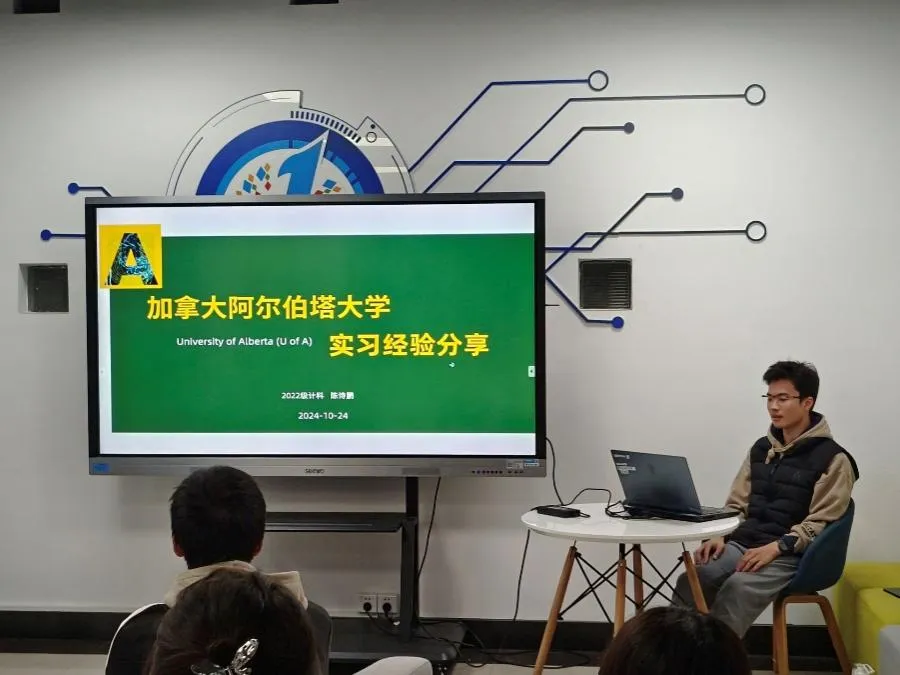
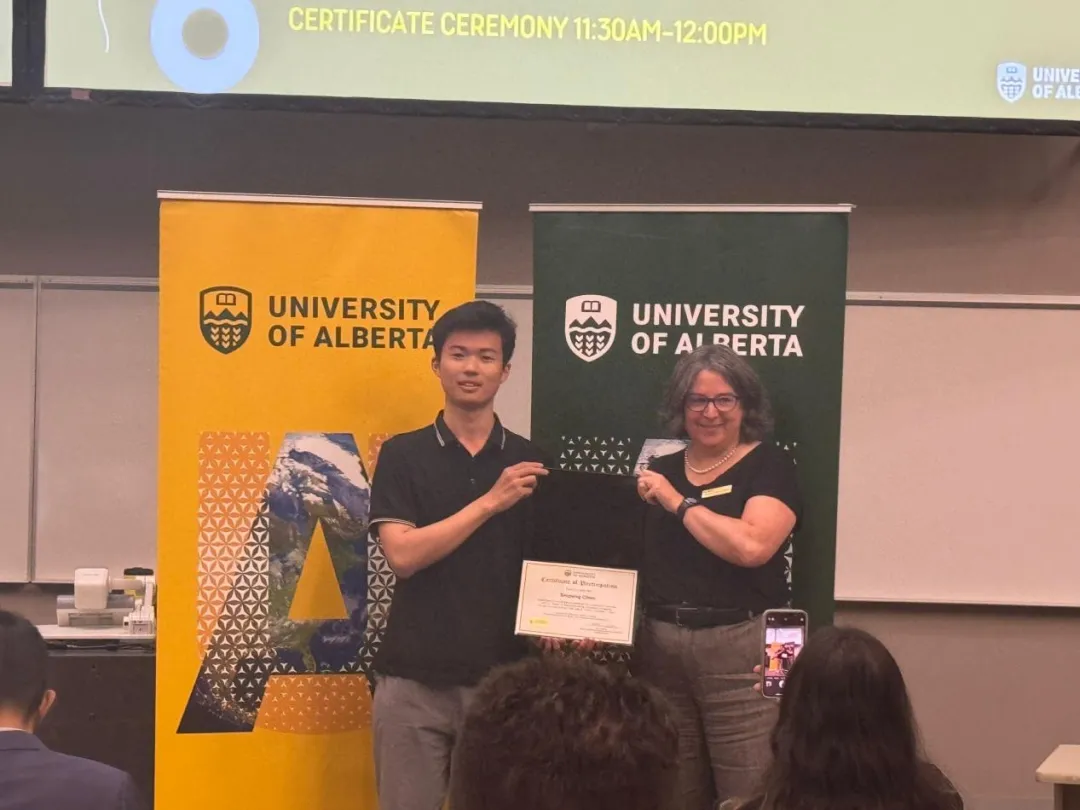
Selected by the China Scholarship Council (CSC), Chen Shipeng went to the University of Alberta in Canada for a research internship from July 7 to October 7, 2024. He first shared his experience of the academic visit to the University of Alberta, and introduced his insights from the perspectives of application preparation and academic life based on his personal experience. Finally, he presented the research topic he worked on during the internship: LiDAR Point Cloud Image Understanding – 3D Point Cloud Images Captured on Highways.
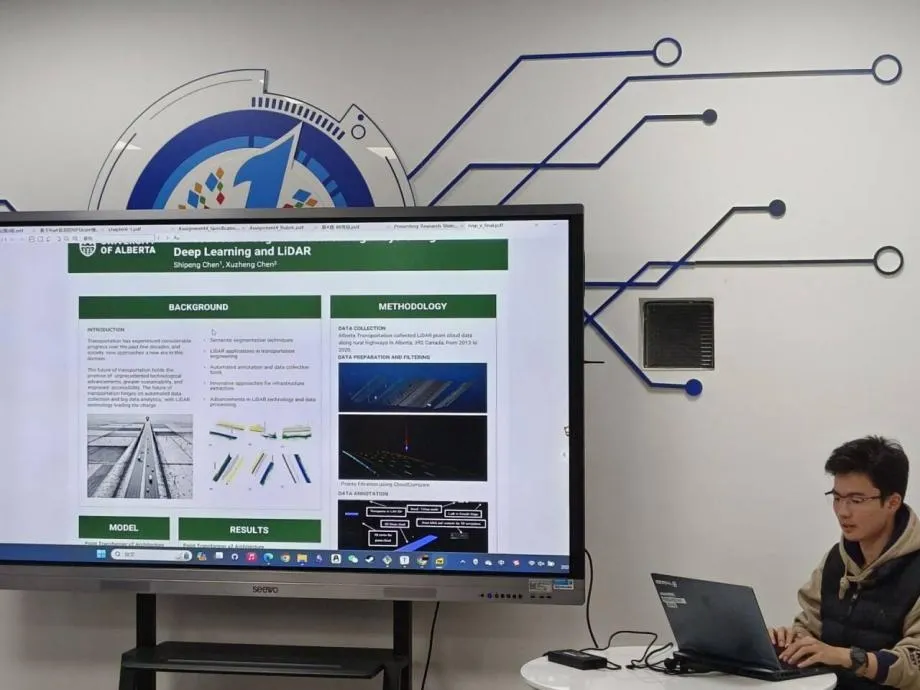
During the project, Chen Shipeng completed a 3-month summer research internship under the guidance of his assigned supervisor, participated in international seminars and conferences, and ultimately presented his research outcomes in the form of a report. At the presentation, he introduced his research to the audience. With the vigorous development of 3D vision technology, point clouds—as an efficient data format for representing 3D shapes—have been widely applied in fields such as autonomous driving, robotic perception, and virtual reality. However, traditional point cloud processing methods often face challenges in processing speed and accuracy; thus, how to process point cloud data efficiently and accurately has become a research focus. To address this issue, he elaborated on the architecture of Point Transformer V2 and its key technological innovations. Since the original Point Transformer has drawbacks in practical applications, such as high computational complexity, a large number of parameters, and insufficient positional encoding, Point Transformer V2 was optimized and improved based on the original model. Specifically, it evenly divides channels into multiple groups, with each group sharing the same attention weights, thereby reducing the number of parameters and improving computational efficiency.
This presentation shared academic visit experience from the perspective of an outstanding undergraduate student, aiming to guide more students to participate in activities that expand international horizons and enhance academic capabilities by setting an exemplary role. In the future, the School of Computer Science will further provide more academic visit opportunities and organize relevant experience-sharing sessions, hoping that students can benefit from these activities and develop their global IT competence.